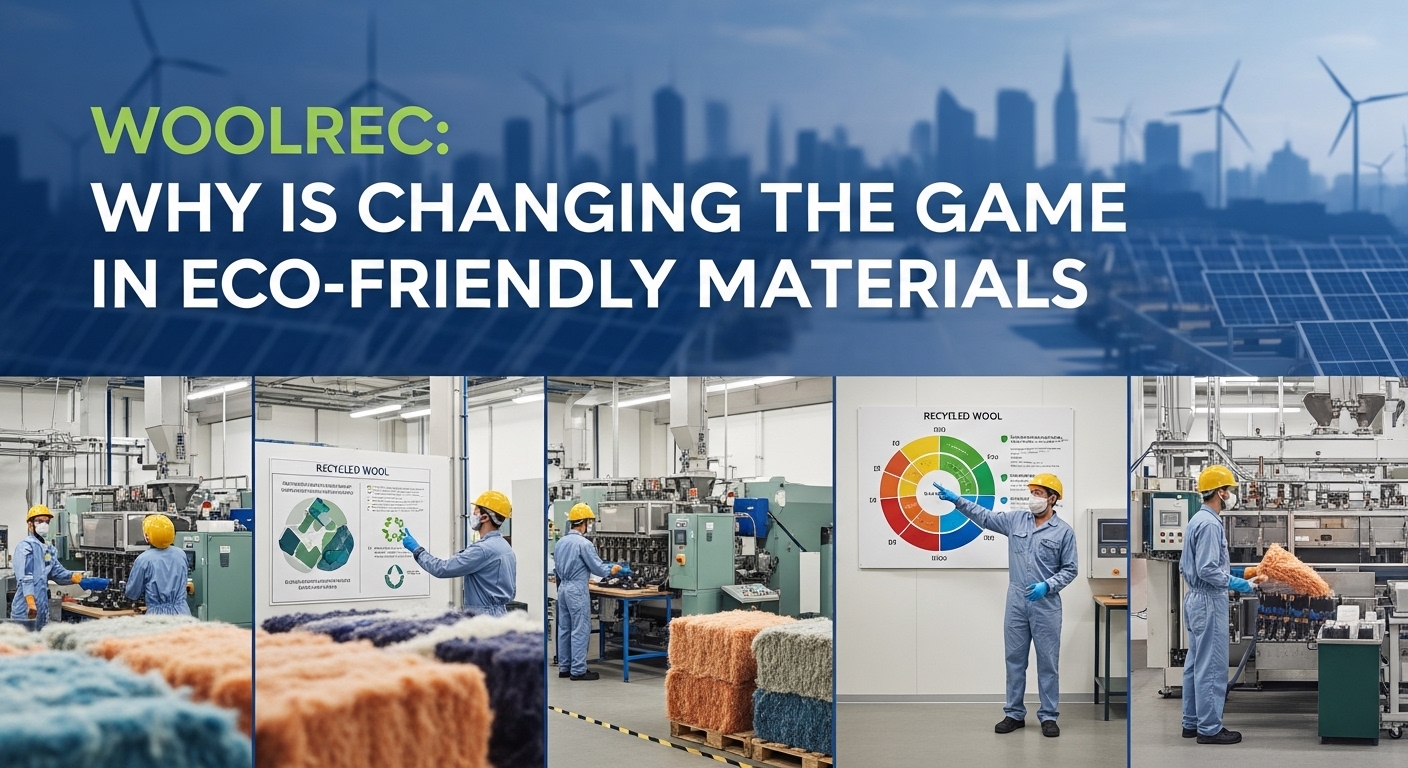
Welcome to the future of sustainable materials with Woolrec, an innovative solution that’s transforming how we think about eco-friendly options. As global awareness around environmental issues grows, so does the demand for products that are both sustainable and effective. Woolrec stands at the forefront of this movement, offering a fresh perspective on how natural fibers can meet modern needs without sacrificing our planet.
Gone are the days when sustainability meant compromising quality or functionality. With Woolrec, you get a material that’s not only kind to Earth but also versatile enough to thrive across various industries. Let’s dive deeper into why Woolrec is changing the game in eco-friendly materials and explore its remarkable potential for shaping a greener future.
The Need for Eco-Friendly Materials
The modern world faces an urgent need for eco-friendly materials. Traditional manufacturing processes often harm our environment, leading to pollution and excessive waste.
As consumers become more aware of their impact on the planet, the demand for sustainable alternatives grows. Industries are under pressure to adopt greener practices that minimize resource depletion.
Using eco-friendly materials can significantly reduce carbon footprints. This shift not only benefits the environment but also enhances brand reputation in a competitive market.
Consumers increasingly prioritize products that reflect their values. They seek out companies committed to sustainability and responsible sourcing.
Embracing eco-friendly options is no longer just a trend; it’s essential for future generations. The transition toward these materials encompasses innovation, responsibility, and care for our shared home—Earth.
What Makes Woolrec Different?
Woolrec stands out in the eco-friendly materials landscape through its innovative approach to wool recycling. Unlike traditional processes, Woolrec focuses on transforming discarded wool into high-quality products. This method not only reduces waste but also preserves the inherent properties of wool.
The technology used by Woolrec is cutting-edge, ensuring that every fiber retains its natural benefits. These include breathability, moisture-wicking capabilities, and insulation. By enhancing these characteristics during recycling, Woolrec delivers a product that meets modern consumer needs.
Moreover, Woolrec emphasizes sustainability at every stage of production. The brand prioritizes ethical sourcing and minimizes environmental impact throughout the manufacturing process. This commitment resonates deeply with environmentally conscious consumers who seek responsible alternatives.
In addition to being eco-friendly, Woolrec’s versatility allows it to cater to various industries from fashion to home textiles. The unique blend of performance and sustainability positions Woolrec as a leader in redefining material standards.
Benefits of Using Woolrec Materials
Woolrec materials offer a range of benefits that set them apart from traditional options. First and foremost, they provide excellent insulation. This makes them ideal for both clothing and home applications, ensuring warmth while remaining breathable.
Additionally, Woolrec is naturally moisture-wicking. It draws sweat away from the body, keeping wearers comfortable in various conditions. This property also helps prevent odors over time.
Durability is another key factor. Woolrec products are designed to withstand daily use without losing their integrity or appearance.
Another noteworthy benefit lies in their biodegradability. Unlike synthetic fibers that linger in landfills, Woolrec breaks down naturally within years, reducing environmental burden significantly.
Using Woolrec can promote sustainable practices across industries by supporting eco-friendly sourcing and production methods. These advantages position it as a forward-thinking option for consumers seeking quality and sustainability combined.
Applications of Woolrec in Various Industries
Woolrec is making strides across multiple sectors, showcasing its versatility. In fashion, designers are embracing Woolrec for its warmth and breathability, crafting sustainable garments that appeal to eco-conscious consumers.
The automotive industry is another beneficiary. Woolrec’s lightweight yet durable properties make it an excellent choice for interior linings and insulation materials. This not only enhances comfort but also reduces the overall carbon footprint of vehicles.
In construction, builders utilize in insulation applications due to its natural thermal regulation capabilities. It helps maintain consistent indoor temperatures while reducing energy consumption.
Even the tech sector has begun exploring Woolrec’s potential. Its sound-absorbing qualities lend themselves well to acoustic panels and innovative product designs aimed at creating quieter spaces.
With such diverse applications, it’s clear that Woolrec holds significant promise across various industries. Each use case reflects a commitment to sustainability without compromising on quality or performance.
Sustainability and Environmental Impact of Woolrec
Woolrec stands out as a beacon of sustainability in the world of materials. Derived from natural wool, it minimizes reliance on synthetic fibers that contribute to environmental pollution.
The production process for Woolrec emphasizes low energy consumption and reduced waste. This eco-conscious approach not only preserves resources but also supports local economies by promoting sheep farming.
In addition, is biodegradable, which means it won’t linger in landfills like plastic alternatives. When disposed of properly, it returns to the earth without causing harm.
Using Woolrec can significantly lower carbon footprints across various industries. It offers a compelling alternative that aligns with growing consumer demand for sustainable practices.
As brands shift towards greener solutions, the positive environmental impact of adopting cannot be overstated.
Future Outlook and Growth Potential
The future of Woolrec looks promising as the demand for sustainable materials continues to rise. With growing awareness around climate change and environmental impact, industries are shifting towards eco-friendly alternatives.
Woolrec stands out by not only providing high-quality materials but also prioritizing sustainability in its production processes. This unique positioning attracts businesses eager to align with green values.
Innovation within is ongoing. Research and development efforts aim to expand product lines and enhance performance characteristics. As technology advances, so too does the potential for greater applications across various sectors.
Market trends reveal a significant shift toward circular economies where products are designed with end-of-life considerations in mind. Woolrec is well-positioned to capitalize on this movement, appealing to consumers who prioritize sustainability without sacrificing quality or functionality.
Partnerships with like-minded organizations may further accelerate growth opportunities, creating a robust network dedicated to eco-conscious practices.
Conclusion
Woolrec stands at the forefront of eco-friendly materials, paving the way for sustainable practices across various industries. As we face escalating environmental challenges, the need for innovative solutions is paramount. Woolrec not only meets this demand but also sets a new standard in material production.
Its unique properties differentiate it from conventional alternatives, offering durability and versatility without compromising environmental integrity. The benefits extend beyond its physical characteristics; using fosters a culture of sustainability that resonates with consumers increasingly concerned about their ecological footprint.
From textiles to construction, Woolrec’s applications are diverse and adaptable. This adaptability positions it as a suitable choice for businesses looking to embrace greener practices while maintaining quality standards.
The sustainability aspect cannot be overlooked either. By utilizing renewable resources and promoting circular economy principles, significantly reduces waste and carbon emissions compared to traditional materials.
As more companies recognize the importance of eco-friendly materials like its growth potential appears promising. Innovations in production methods could lead to even broader adoption across sectors seeking responsible solutions.
Woolrec isn’t just changing the game; it’s redefining what we should expect from materials today and in the future—where sustainability is no longer an option but an essential criterion.