Data is the lifeblood of our digital age, fueling everything from social media interactions to complex scientific research. As we generate ever-increasing volumes of information, the need for efficient data encoding becomes more critical than ever. Enter XVIF—a groundbreaking method that promises to revolutionize how we handle and store data. It’s not just an incremental improvement; it’s a leap into the future of data encoding. Curious about what makes XVIF stand out and how it can change our world? Let’s dive in!
The History of Data Encoding and the Need for Improvement
Data encoding has evolved significantly over the years. Early methods focused on simple binary systems, where data was represented using ones and zeros. As technology advanced, more complex encoding techniques emerged to meet growing demands.
However, with increased data volumes came new challenges. Traditional methods often fell short in efficiency and speed. The rise of the internet led to an urgent need for better solutions that could handle vast amounts of information seamlessly.
As applications became more sophisticated, developers sought innovative ways to improve data transmission and storage. This created a landscape ripe for transformation, pushing researchers toward developing enhanced encoding strategies.
The quest for improvement wasn’t just about speed; it also encompassed security and compatibility across devices. Data integrity became paramount as cyber threats grew increasingly sophisticated.
This backdrop set the stage for groundbreaking advancements like XVIF, promising a new era in data handling capabilities.
What Sets XVIF Apart from Other Data Encoding Methods?
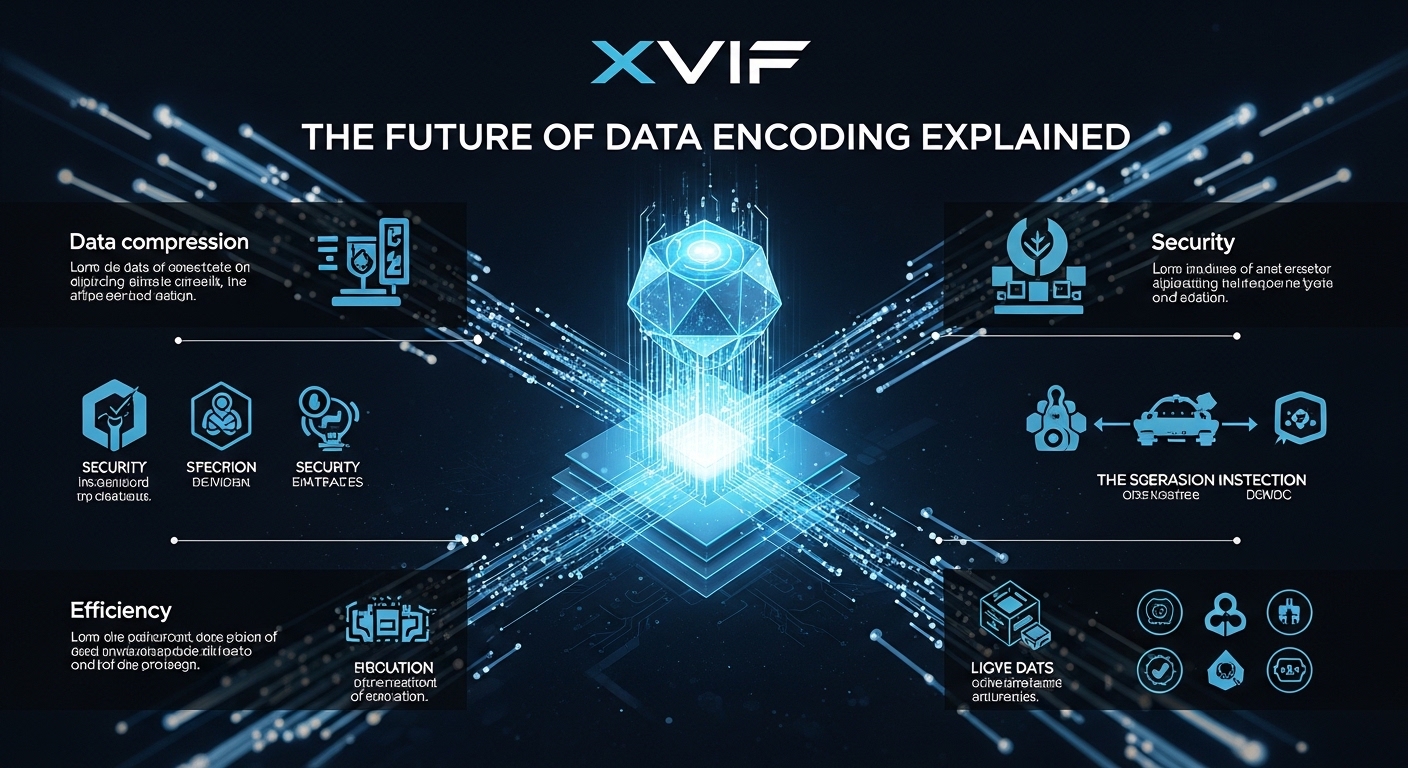
XVIF stands out in the crowded landscape of data encoding methods due to its innovative approach. Unlike traditional encoders, XVIF leverages advanced algorithms that optimize both speed and efficiency.
Its design allows for greater compression capabilities, reducing file sizes without sacrificing quality. This is crucial as digital storage demands continue to escalate.
Another defining feature is its adaptability. XVIF can seamlessly integrate with various platforms and technologies, making it versatile across different applications.
Moreover, security is a top priority with XVIF. Enhanced encryption techniques ensure that data remains protected during transfer and storage.
What truly sets XVIF apart is its user-friendly interface, which simplifies complex processes for developers and end-users alike. The learning curve is minimal compared to older methods, allowing for quicker implementation across industries.
The Advantages of XVIF in Data Storage and Transfer
XVIF offers significant advantages for data storage and transfer. Its efficient encoding technique reduces the file size without compromising quality. This aspect is crucial in today’s data-hungry world, where every byte counts.
Moreover, XVIF enhances transfer speeds. By minimizing the amount of data that needs to be sent, users experience quicker uploads and downloads. This efficiency translates directly into time savings and improved productivity.
Security is another critical benefit of XVIF. The encoding method adds layers of protection against unauthorized access during transmission. Sensitive information can travel more securely across networks.
Additionally, XVIF’s compatibility with existing systems makes it an attractive option for businesses looking to upgrade their infrastructure seamlessly. No need for costly overhauls—just implement XVIF and enjoy its benefits right away.
These factors combined position XVIF as a forward-thinking solution in the realm of data encoding, promising a smoother experience for both individuals and organizations alike.
Real-Life Applications of XVIF
XVIF has already begun to reshape various industries with its innovative capabilities. In the world of healthcare, it streamlines patient data management. This makes sharing vital information between facilities more efficient and secure.
Finance also benefits from XVIF’s ability to compress large datasets without losing integrity. Transactions can be processed faster, enhancing customer satisfaction.
In media and entertainment, XVIF plays a crucial role in data storage for high-resolution videos and images. It allows for quicker uploads without sacrificing quality—ideal for streaming platforms.
Moreover, educational institutions utilize XVIF to manage vast amounts of research data. It simplifies collaboration among researchers by ensuring easy access and retrieval.
The tech sector is continuously exploring new ways to integrate XVIF into machine learning algorithms as well. Its efficiency in handling diverse datasets could lead to breakthroughs in AI development across fields like robotics and natural language processing.
Potential Challenges and Limitations of XVIF
Despite its innovative design, XVIF is not without challenges. One significant hurdle is the need for widespread adoption across existing systems. Transitioning from established encoding methods can be daunting for many organizations.
Another limitation lies in processing power requirements. Although XVIF offers efficiency gains, it may demand more computational resources initially. This could present issues for smaller enterprises or those with legacy infrastructure.
Security concerns also arise with any new technology. As XVIF gains traction, potential vulnerabilities must be addressed to ensure data integrity and confidentiality during storage and transfer.
While versatility is one of XVIF’s strengths, it could lead to complexity in implementation. Organizations might face a steep learning curve as they adapt their processes around this advanced encoding technique.
The Future of Data Encoding is Here with XVIF
The landscape of data encoding is evolving rapidly, and XVIF stands at the forefront. This innovative method promises to redefine how we handle vast amounts of information.
XVIF’s unique structure allows for increased efficiency in both storage and transmission. By optimizing data compression techniques, it minimizes file sizes without sacrificing quality, making it an essential tool for businesses and developers alike.
Imagine seamless streaming of high-resolution content or rapid transfers across networks without delays. That’s the potential XVIF brings to various industries.
As technology progresses, so does our need for robust solutions like. It addresses current limitations while paving the way for future advancements in data management.
Embracing XVIF means stepping into a new era where speed and reliability are paramount. The implications stretch far beyond mere convenience; they suggest a fundamental shift in how we perceive data itself.
Conclusion
As we navigate the vast landscape of technology, XVIF stands out as a beacon of innovation in data encoding. Its unique approach addresses long-standing challenges while offering significant advantages over traditional methods. The shift towards more efficient data storage and transfer is not just a trend; it’s an essential evolution driven by our ever-growing digital needs.
Real-life applications are emerging across various industries, proving that is not just theoretical but practical too. While there may be challenges ahead, such as integration with existing systems and ensuring widespread adoption, the potential benefits far outweigh these obstacles.
Embracing XVIF could redefine how we handle data moving forward. As organizations seek to optimize their processes and improve efficiency, this new method of encoding will likely play a crucial role in shaping the future of data management.