When it comes to wildlife management in Norway, few organizations play as crucial a role as Viltnemnda. This body is at the forefront of balancing conservation efforts with human interests. With an intricate web of responsibilities and a history that spans decades, Viltnemnda ensures that both wildlife and communities thrive harmoniously.
Have you ever wondered who decides how many deer are allowed to roam your local forests? Or who steps in when wildlife strays too close to urban areas? The answer often lies with Viltnemnda. Their mission goes beyond mere regulation; it’s about fostering coexistence between humans and nature. Dive into this exploration of Viltnemnda’s roles, challenges, and future impact on the delicate ecosystem we share with our animal counterparts.
The History of Viltnemnda
The history of Viltnemnda is rooted in the need for structured wildlife management in Norway. Established to address growing concerns over declining animal populations and increasing human-wildlife conflicts, it has evolved significantly since its inception.
Initially focused on game conservation, Viltnemnda has adapted to changing ecological challenges. The organization emerged as a response to both environmental degradation and legal requirements for sustainable practices.
Over time, legislation surrounding hunting and wildlife protection shaped its framework. This evolution reflects societal attitudes toward nature and the importance of biodiversity conservation.
As awareness grew about the delicate balance between humans and wildlife, Viltnemnda played a crucial role in fostering dialogue among stakeholders. Its historical journey highlights an ongoing commitment to responsible wildlife stewardship that resonates today.
Roles and Responsibilities of Viltnemnda
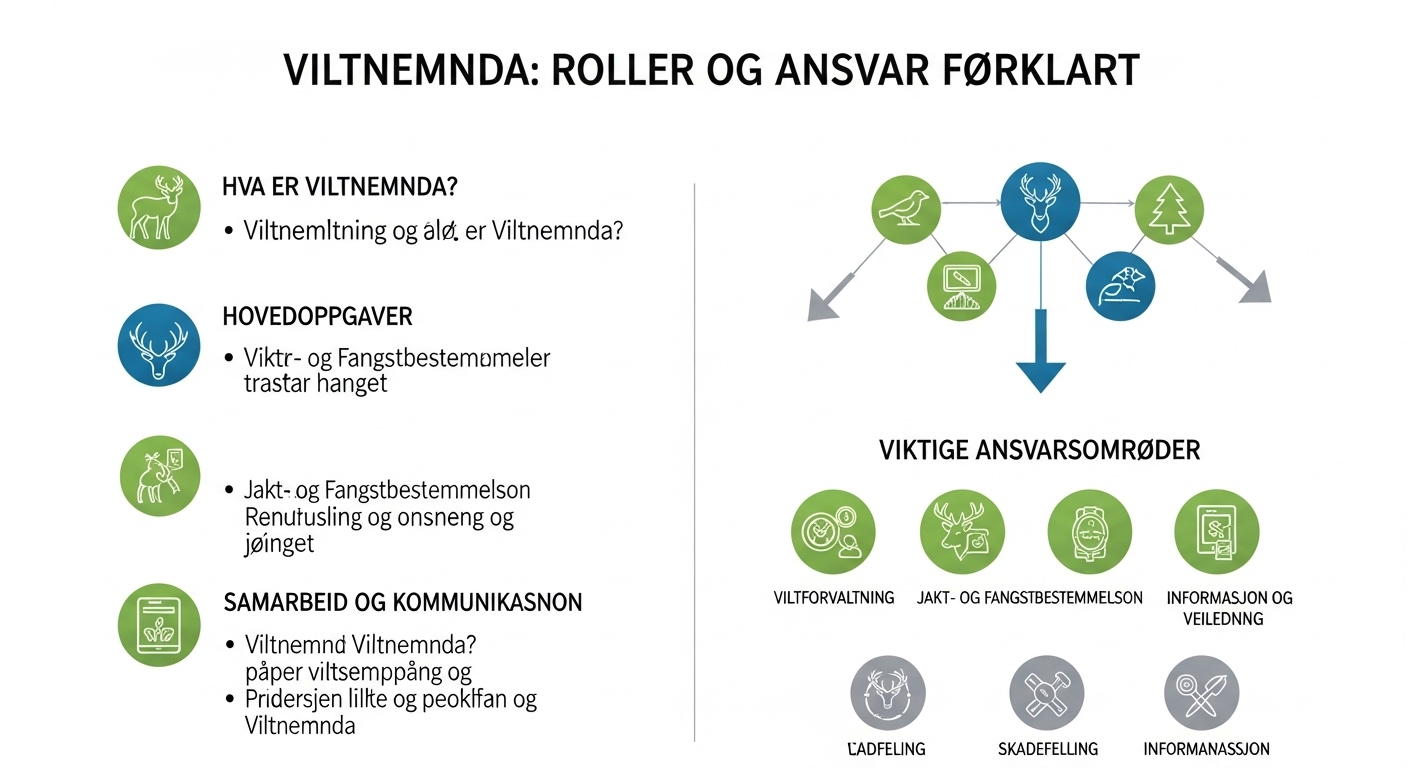
Viltnemnda plays a crucial role in wildlife management. Its primary responsibility is to oversee the sustainable use of wildlife resources. This includes monitoring animal populations and ensuring they remain balanced within their ecosystems.
Another key responsibility involves creating guidelines for hunting and fishing practices. These regulations are designed to maintain healthy populations while allowing for recreational activities.
Viltnemnda also works on conflict resolution between humans and wildlife. When animals encroach on urban areas or agricultural lands, it is their duty to devise strategies that minimize damage and promote coexistence.
Education is another vital aspect of their role. By informing local communities about wildlife behavior, Viltnemnda fosters understanding and respect for nature.
Collaboration with other organizations enhances their effectiveness. Partnering with conservation groups allows them to share knowledge and implement best practices in wildlife management efforts.
Managing Wildlife Populations
Managing wildlife populations is essential for maintaining ecological balance. This involves monitoring animal numbers and health to ensure species thrive without overpopulation or extinction.
Viltnemnda plays a crucial role in this process. They gather data on various species, assessing their habitats and migration patterns. Such insights guide sustainable management practices.
Population control measures are often necessary. These may include regulated hunting or relocation strategies aimed at reducing conflicts with humans while protecting vital ecosystems.
Education is also key in managing wildlife populations effectively. By raising awareness about local fauna, communities can better coexist with nature, fostering respect for biodiversity.
Through collaboration with researchers and conservationists, Viltnemnda ensures that decisions are grounded in scientific evidence. This approach not only benefits wildlife but also enhances community engagement around environmental stewardship.
Preventing Damage and Conflicts with Wildlife
Preventing damage and conflicts with wildlife is a crucial role of Viltnemnda. The organization actively works to reduce human-wildlife interactions that can lead to adverse outcomes for both parties.
One effective approach involves educating local communities about wildlife behavior. Understanding when animals are most active or how they interact with their environment can help people take preventive measures.
Implementing proper fencing techniques around agricultural lands also plays a significant part. By creating barriers, farmers can protect crops from hungry herbivores while allowing nature to thrive undisturbed.
In addition, Viltnemnda promotes the use of deterrents like noise makers or visual repellents. These tools help guide animals away from populated areas without harming them, fostering coexistence rather than conflict.
Collaboration between experts and local residents enhances these efforts further, ensuring that solutions are tailored to specific environments and community needs. This partnership creates an informed populace ready to engage positively with their natural surroundings.
Collaboration with Local Communities
Collaboration with local communities is essential for the success of Viltnemnda. Engaging residents fosters a sense of ownership over wildlife management efforts. When communities are involved, they become valuable partners in conservation.
Local knowledge significantly enriches decision-making processes. Residents often possess insights about animal behaviors and habitats that can inform better strategies. This partnership enhances understanding between wildlife authorities and the public.
Through workshops and informational sessions, Viltnemnda promotes awareness around sustainable practices. Educating locals on coexistence techniques helps mitigate human-wildlife conflicts.
Community input not only improves policies but also builds trust. People feel heard when their concerns about wildlife impacts on agriculture or property damage are considered seriously.
Effective collaboration leads to innovative solutions tailored to specific local challenges. By working together, Viltnemnda and communities can create harmonious environments where both people and wildlife thrive side by side.
Controversies and Criticisms Surrounding Viltnemnda
Viltnemnda has not been without its share of controversies. Critics often argue that the organization’s approach to wildlife management prioritizes hunting over conservation. This perspective raises questions about the sustainability of certain practices.
Many local communities feel excluded from decision-making processes. Residents living alongside wildlife have voiced concerns that their input is overlooked, leading to conflicts and dissatisfaction.
The methods employed by Viltnemnda can also be contentious. Some groups challenge the ethical implications of culling populations deemed problematic. These actions ignite debates on animal rights versus human interests.
Additionally, transparency in operations remains a hot topic. Stakeholders demand clearer communication regarding policies and decisions affecting local ecosystems and communities alike, hoping for more inclusive dialogue moving forward.
Each concern underscores the delicate balance between preserving nature while addressing human needs within these discussions surrounding Viltnemnda’s role in wildlife management.
Future of Viltnemnda and Its Impact on Wildlife Management
The future of Viltnemnda holds significant promise for wildlife management in Norway. As environmental challenges evolve, the organization must adapt its strategies. Technology plays a crucial role here. Utilizing data-driven approaches will enhance decision-making processes.
Engagement with local communities is vital for sustainable practices. Building strong relationships fosters trust and collaboration, ensuring that wildlife conservation efforts are supported by those most affected.
Regulatory changes may also shape Viltnemnda’s path forward. Policies focusing on biodiversity protection can lead to more proactive measures against habitat loss and species decline.
Educational initiatives will empower citizens to understand their role in wildlife stewardship. Fostering a culture of respect towards nature ensures long-lasting impacts on ecology.
As Viltnemnda navigates these developments, it has the potential to set new standards in wildlife management across the region.
Conclusion
Viltnemnda plays a crucial role in wildlife management within Norway. Its history reflects the evolving relationship between humans and nature, emphasizing the need for balance. The responsibilities of Viltnemnda extend beyond managing animal populations; they also involve fostering community relationships and addressing conflicts that arise with wildlife.
Through collaboration with local communities, Viltnemnda can enhance public awareness about conservation efforts while ensuring that people’s needs are met. Challenges do exist, including controversies surrounding their decisions on hunting quotas and species protection. It’s essential these discussions continue as they shape policies impacting both wildlife and human activity.
Looking ahead, the future of Viltnemnda will significantly influence how we approach wildlife management in Norway. As environmental concerns grow alongside urban expansion, finding sustainable solutions is more important than ever. The work done by Viltnemnda will prove vital in striking a harmonious balance between preserving our natural heritage and accommodating modern societal needs. Wildlife management is not just an obligation but a shared responsibility among all stakeholders involved—ensuring that future generations inherit a thriving ecosystem remains at the forefront of their mission.