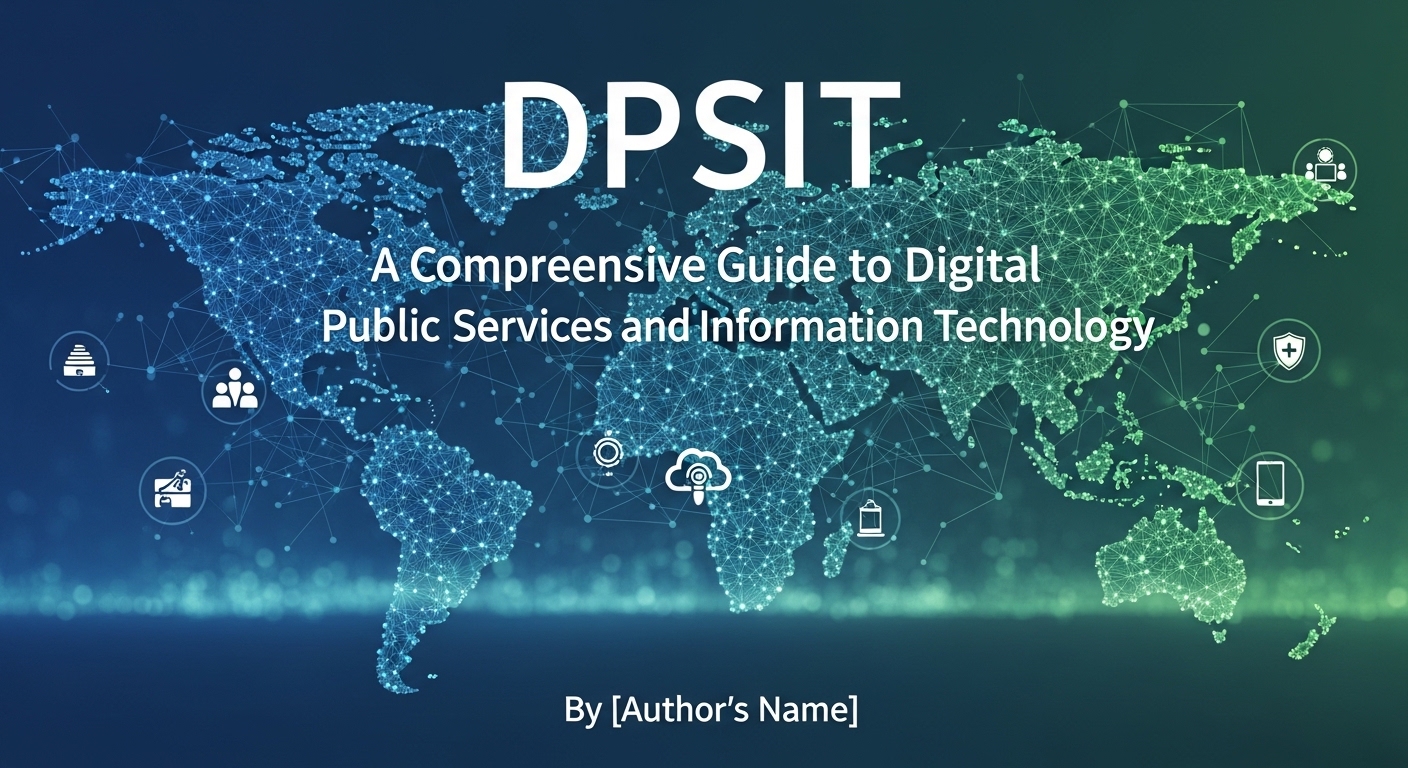
In an age where technology dominates our daily lives, the need for efficient public services has never been more pressing. Enter DPSIT—Digital Public Services and Information Technology—a game-changer in how governments interact with citizens. Imagine applying for permits, accessing information, or communicating with public agencies from the comfort of your home. That’s the power of DPSIT.
As cities grow and populations swell, traditional methods of service delivery often fall short. The promise of digital transformation is here to streamline processes and enhance accessibility like never before. This guide delves into what DPSIT entails, its advantages, key components that make it tick, and real-world examples that showcase its effectiveness.
Join us on this journey through the world of digital governance as we explore how DPSIT is reshaping public interactions while tackling challenges along the way. Whether you’re a tech enthusiast or simply curious about how these advancements affect your life, there’s something here for everyone interested in understanding this crucial evolution in public service delivery.
Advantages of Digital Public Services
Digital public services offer a multitude of advantages that enhance accessibility and efficiency. Citizens can access various government services from the comfort of their homes, eliminating long queues and wasted time.
With online platforms, information is available 24/7. This convenience empowers individuals to manage tasks at their own pace without being constrained by traditional office hours.
Moreover, digital services improve transparency in governance. Real-time updates allow citizens to track applications or requests easily, fostering trust between the public and government entities.
Cost savings are another significant benefit. Digital transactions reduce paperwork costs and overhead expenses associated with physical offices.
Integrating technology into public services opens up avenues for innovation. New tools can streamline processes and improve user experience while making it easier for governments to adapt to evolving needs.
Key Components of DPSIT
Digital Public Services and Information Technology (DPSIT) hinges on several key components that drive its effectiveness.
First, user-centric design is essential. It ensures that services are accessible to all citizens, regardless of their tech-savviness or physical abilities. This prioritization fosters inclusivity.
Next, robust infrastructure plays a vital role in DPSIT. Reliable internet access and secure databases support the seamless delivery of services while safeguarding sensitive data from breaches.
Interoperability among systems is another crucial element. Different governmental departments must communicate effectively to provide coherent and integrated public services.
Continuous training for staff is necessary to keep pace with evolving technologies and practices within DPSIT frameworks. Well-informed personnel can navigate challenges swiftly, enhancing service quality across the board.
These components form the backbone of effective digital public service delivery in any modern society.
Examples of Successful DPSIT Implementation
Countries around the globe are implementing DPSIT with impressive results. Estonia stands out as a pioneer, offering nearly all public services online. Citizens can vote, access health records, and even register businesses from their homes.
Singapore is another notable example. The government launched the Smart Nation initiative to integrate technology into daily life. Through this initiative, residents enjoy seamless interactions with public services via mobile apps.
In India, the Digital India program aims to transform how citizens connect with government services. Initiatives like e-governance platforms have made it easier for people in remote areas to access essential resources.
Moreover, Finland’s digital identity system allows secure access to various public services online. This streamlined approach has significantly reduced administrative burdens while enhancing user experience.
These examples illustrate that successful DPSIT implementation can lead to more efficient governance and improved citizen satisfaction across different regions.
Challenges and Solutions in Implementing DPSIT
Implementing DPSIT comes with its own set of hurdles. One major challenge is the digital divide. Not everyone has equal access to technology, which can lead to disparities in service delivery.
Another issue lies in data privacy and security concerns. As public services digitize, sensitive information becomes vulnerable to cyber threats. Striking a balance between accessibility and safety is crucial.
Training personnel also presents difficulties. Employees may need upskilling to navigate new systems effectively. Without proper training, even the best tools can fall flat.
To address these challenges, governments can invest in community outreach programs that ensure equitable access to technology. Regular cybersecurity audits are essential for maintaining trust with citizens.
Additionally, comprehensive training sessions tailored for staff can enhance their confidence and competence in using digital systems efficiently.
Impact on Society: How DPSIT is Changing the Way We Interact with Public Services
DPSIT is revolutionizing our relationship with public services. The shift from traditional methods to digital platforms has made access more convenient for everyone.
Citizens can now engage with government agencies using their smartphones or computers. This accessibility fosters a sense of empowerment and encourages active participation in civic matters.
Moreover, transparency is enhanced through DPSIT initiatives. Information about policies, processes, and decisions is readily available online. This openness builds trust between the government and its citizens.
The efficiency of service delivery has also improved dramatically. Long lines and bureaucratic hurdles are becoming relics of the past as services transition into streamlined digital experiences.
As society becomes increasingly tech-savvy, expectations evolve too. People demand quick responses and user-friendly interfaces when interacting with public services. DPSIT meets these demands head-on by prioritizing user experience at every turn.
In this new landscape, engagement isn’t just encouraged; it’s expected.
Future of DPSIT: Predictions and Potential Developments
The future of DPSIT holds exciting potential. Rapid advancements in technology will reshape how public services are delivered.
Artificial Intelligence is set to play a crucial role. It can personalize user experiences, making interactions more efficient and responsive.
Blockchain technology may enhance security and transparency in transactions between citizens and governments. This could build trust and streamline processes.
Moreover, the rise of mobile applications will likely make accessing public services easier than ever before. Citizens may find themselves able to resolve issues directly from their smartphones.
Smart cities are also on the horizon, integrating IoT devices for better service delivery. These interconnected systems promise real-time data sharing for improved decision-making.
As societies become more digital-savvy, citizen engagement through online platforms will increase significantly. This shift encourages dialogue between government entities and communities, fostering inclusivity in public service development.
Conclusion
Digital Public Services and Information Technology (DPSIT) is reshaping how governments interact with citizens. As we embrace technology, the benefits become clearer. Efficiency, accessibility, and transparency are just a few of the advantages that DPSIT provides.
By streamlining processes and leveraging digital tools, public services can reach more people than ever before. Key components such as user-friendly platforms, robust security measures, and effective communication strategies play crucial roles in making these services successful.
There are numerous examples worldwide where DPSIT has been implemented successfully. Countries have seen improved citizen engagement through mobile applications for service requests or online portals for accessing information quickly.
However, challenges exist too. Issues like data privacy concerns and technological disparities must be addressed to ensure everyone benefits from these advancements. Solutions often involve investing in infrastructure while prioritizing education about digital literacy for all citizens.
The impact on society is profound; as more people turn to online channels for public services, traditional methods may fade away entirely. This transition not only enhances convenience but also fosters a culture of accountability within government institutions.
Looking ahead at the future of DPSIT reveals exciting possibilities—integrating artificial intelligence could lead to even smarter public service solutions tailored to individual needs.
As we continue down this path of digitization in public sectors, it’s clear that DPSIT will play an essential role in shaping our interactions with government entities moving forward.