

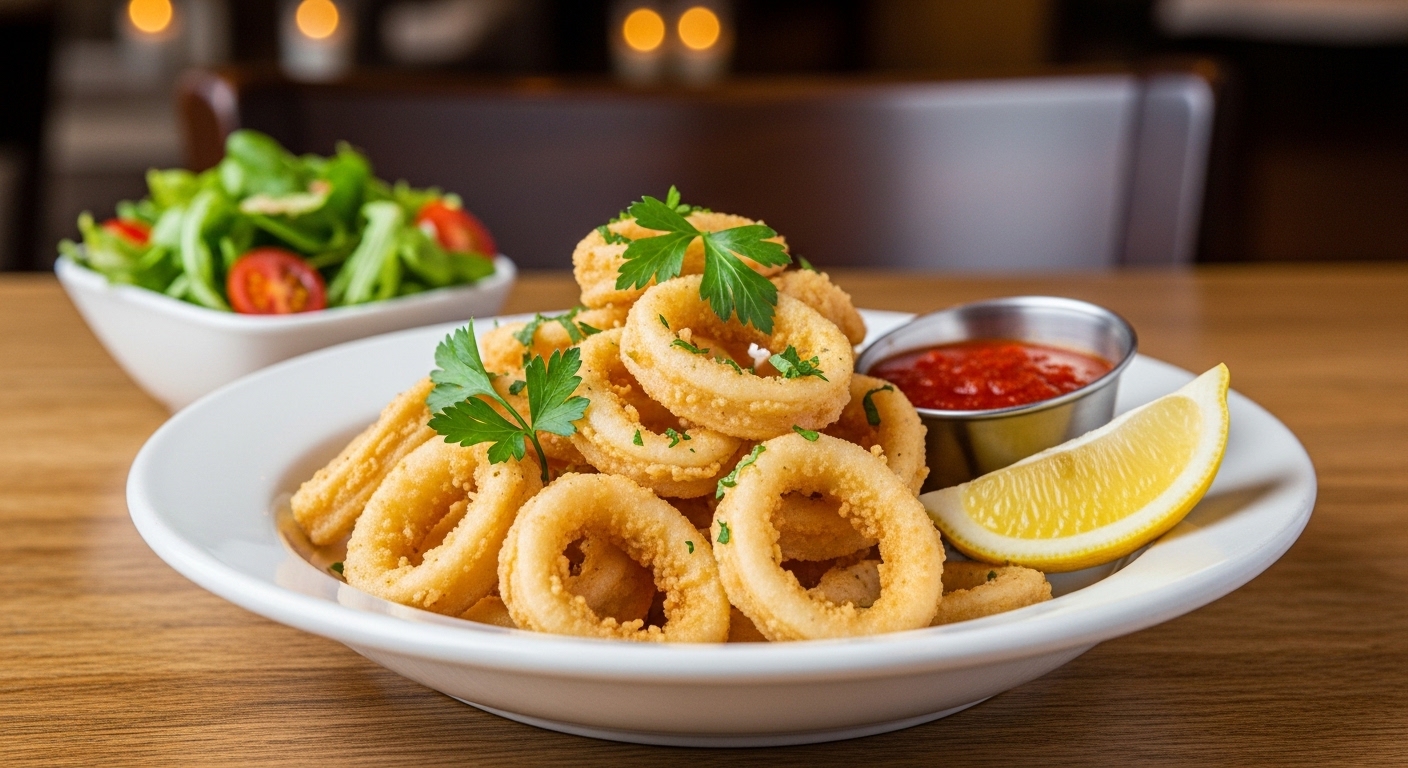
If you’re a seafood lover, the name Calamariere is sure to make your taste buds tingle. This delectable dish, often celebrated in coastal cuisine, combines flavors and textures that are simply irresistible. Whether you’re dining at a seaside restaurant or experimenting in your own kitchen, Calamariere can transport you to sun-soaked shores with every bite. But what makes this dish so special? Let’s dive into its rich history, explore the ingredients that create its unique flavor profile, and uncover the secrets behind perfecting this culinary masterpiece. Get ready for an enticing journey through the art and science of Calamariere!
History and Origin of Calamariere
Calamariere’s roots trace back to Mediterranean coastal regions, where fresh seafood is a staple. This dish showcases the culinary traditions of countries like Italy and Greece.
Historically, calamari has been enjoyed since ancient times. The Greeks and Romans celebrated squid for its delicate texture and flavor. As trade routes expanded, recipes evolved, blending local ingredients with traditional methods.
Over time, calamariere emerged as a beloved dish among seafarers and fishermen. They would prepare it simply with herbs and spices caught from the sea.
Regional variations began to flourish in response to local tastes. Today’s calamariere reflects this rich tapestry of history—each bite tells a story of cultural exchange that spans centuries.
Its journey from humble fishing boats to gourmet plates illustrates the enduring allure of this delectable seafood delicacy, captivating palates across continents.
The Ingredients Used in the Dish
Calamariere showcases a delightful blend of fresh ingredients that make it truly special. At its core, tender calamari steals the spotlight. This seafood is celebrated for its mild flavor and chewy texture.
Next comes a symphony of herbs and spices. Garlic adds depth, while parsley introduces a vibrant freshness. A sprinkle of red pepper flakes can elevate the dish with just the right amount of heat.
The sauce often includes ripe tomatoes, which provide natural sweetness and acidity. Olive oil plays an essential role too; it enhances flavors while adding richness to every bite.
Lemon juice offers a zesty brightness that balances everything perfectly. Some recipes also include white wine, which infuses complexity into the overall taste profile.
Each ingredient contributes uniquely to Calamariere’s character, ensuring that every forkful is packed with flavor and authenticity.
The Technique and Process of Making Calamariere
Crafting Calamariere is an art that begins with fresh calamari. Start by cleaning the squid thoroughly, removing the insides and skin for a tender bite.
Next, slice the calamari into rings or strips. This ensures even cooking and allows for a delightful texture in every mouthful.
The key to flavor lies in marinating. Use olive oil, garlic, lemon juice, and herbs like parsley or oregano to enhance the natural taste of seafood.
Once marinated, heat a skillet until it’s hot but not smoking. Quickly sauté the calamari over high heat for just two to three minutes. Overcooking can lead to rubbery textures, so timing is essential.
Finish with a sprinkle of sea salt and perhaps some crushed red pepper flakes for an extra kick. Serve immediately while it’s still warm for maximum enjoyment of this delightful dish.
Variations of Calamariere Around the World
Calamariere has inspired many variations globally, each reflecting local ingredients and culinary traditions.
In Italy, you might find a version enhanced with garlic and parsley, providing a fresh twist that celebrates Mediterranean flavors. This preparation often pairs beautifully with crusty bread.
Moving to Japan, calamari is sometimes featured in sushi rolls—an unexpected fusion that highlights the versatility of this dish. Here, it’s typically complemented by soy sauce or wasabi for an umami kick.
Down in Brazil, you’ll encounter fried calamari served with spicy dipping sauces. The crispy texture contrasts delightfully with the zesty condiments.
Meanwhile, Spain offers its own take through tapas-style dishes showcasing calamari rings drizzled with lemon and paprika. Each bite bursts with flavor as it embodies the essence of Spanish cuisine.
These regional adaptations showcase how calamariere can transcend borders while remaining rooted in its delicious origins.
Health Benefits of Eating Calamariere
Calamariere is not just a treat for your taste buds; it also offers several health benefits. The primary ingredient, squid, is low in calories and high in protein. This makes it an excellent choice for those looking to maintain or lose weight while still enjoying flavorful meals.
Rich in omega-3 fatty acids, calamariere contributes to heart health by promoting good cholesterol levels and reducing inflammation. Additionally, the dish boasts essential vitamins and minerals like vitamin B12, iron, and selenium that support various bodily functions.
Eating calamariere can also aid muscle recovery due to its high protein content post-workout. Moreover, it contains antioxidants that help combat oxidative stress in the body. With such a nutrient profile, indulging in this delectable dish provides both satisfaction and wellness benefits simultaneously.
Tips for Pairing Wine with Calamariere
Pairing wine with Calamariere can elevate your dining experience. The dish’s flavors deserve careful consideration when choosing the perfect accompaniment.
A crisp, dry white wine is often an excellent choice. Look for varieties like Pinot Grigio or Sauvignon Blanc that bring out the freshness of seafood.
If you prefer red, opt for a light-bodied option such as Gamay or Pinot Noir. Their subtle tannins won’t overpower the delicate tastes of Calamariere.
For those who enjoy bubbles, sparkling wines like Prosecco can add an exciting touch. The effervescence complements the dish beautifully while cutting through any richness.
Remember to consider preparation styles too—fried versions may pair well with a refreshing rosé! Always trust your palate and feel free to explore various options until you discover your ideal match.
Why You Should Try This Delicious Dish
Calamariere is more than just a dish; it’s an experience. The moment you take your first bite, the combination of crispy exterior and tender inside dances on your palate.
For seafood lovers, this delicacy is a must-try. It encapsulates the essence of fresh ocean flavors. Each ingredient complements the others perfectly, creating harmony in every mouthful.
Whether enjoyed as an appetizer or a main course, Calamariere stands out for its versatility. You can savor it with various sauces or side dishes that elevate its taste even further.
Trying Calamariere also means embracing culinary artistry. From traditional recipes to modern twists, chefs around the globe put their unique spin on this classic dish.
If you’re seeking something new to tantalize your taste buds, look no further than Calamariere—it promises to be both delicious and memorable.
Conclusion
Calamariere is more than just a dish; it’s an experience that combines rich history, exquisite flavors, and cultural significance. Whether enjoyed in a quaint seaside restaurant or prepared at home for loved ones, every bite tells a story of tradition and culinary artistry.
With its diverse ingredients and techniques, calamariere showcases the versatility of squid while appealing to both seasoned foodies and those new to seafood. Its global variations reveal how different cultures have embraced this delightful dish, presenting unique twists that highlight regional tastes.
Moreover, indulging in calamariere offers health benefits too—it’s low in calories yet high in protein. Pairing it with the right wine can elevate your dining experience even further.
Trying calamariere opens up a world of flavor that you won’t want to miss out on. So next time you’re looking for something new on your menu or planning a special meal, consider giving this delectable dish a chance to shine at your table. Dive into the art and science behind calamariere—you won’t be disappointed!